A heat protectant is a leave-in product, usually a spray or a cream, that goes on before a blow dryer or a hot iron. It coats each strand with a thin film, most often silicones or film-forming polymers, that spreads the heat along the surface of the hair so less of it lands in one spot. That cuts the damage heat styling does. It doesn't make a hot iron harmless, and your hair still has to be completely dry before an iron touches it, protectant or not.
What heat protectant does
Flat irons run at more than 390°F. That's hot enough to change the shape of the protein inside a strand, and with repeated use, to break it down. Hair that was treated with certain film-forming polymers before ironing broke less when it was combed afterward, and both its surface and the protein underneath held up better than hair that met the plates bare. Silicones such as dimethicone, the most common silicone in hair care, spread the heat across the surface in a similar way.
If you've been skipping it because your hair feels fine straight off the iron, that feel is misleading. Oils and other products on the surface make it comb easily. Once the next shampoo washes them off, the dryness the heat left behind starts to show.
What it can't do
No spray makes it safe to iron wet hair. Under hot plates, the water inside a damp strand turns to steam and expands, and it leaves small bubbles trapped inside the hair. Hair with those bubbles feels stiff and rough, and it snaps at the weak points. Long, close blasts from a blow dryer on wet hair can do the same thing.
Dry hair takes damage from an iron too. The heat still reshapes the protein inside, only without steam building up within the strand.
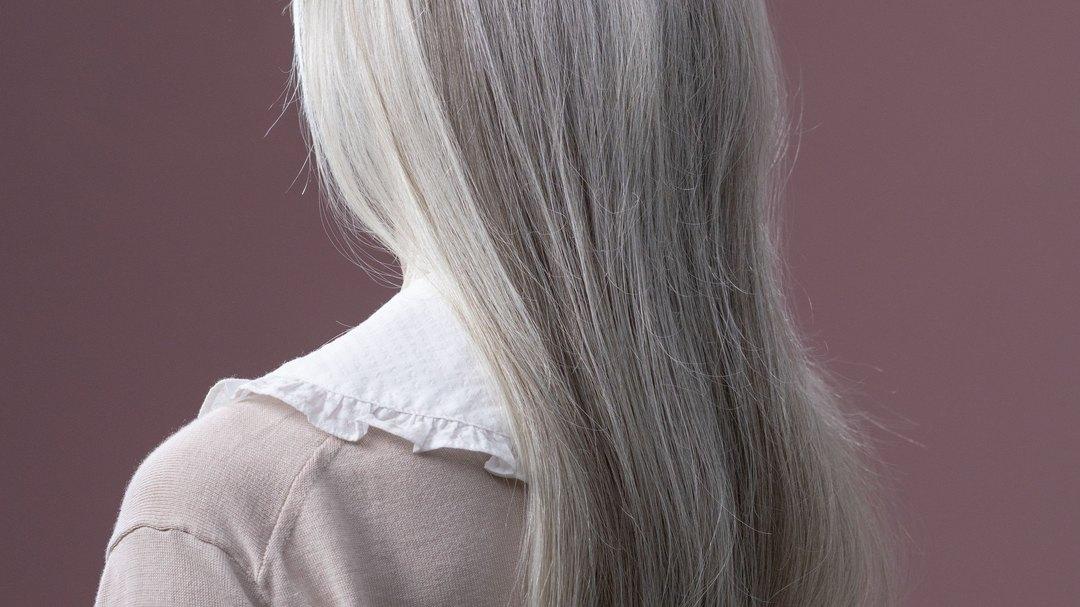
Heat also yellows white hair and darkens bleached hair. If you're gray or blond, the number on the dial matters even with protectant on.
A protectant works alongside a lower setting. Use the lowest heat that still holds your style, and keep the plates moving so they never rest on one spot. Using hot tools once a week or less gives your hair fewer rounds of heat to absorb.
How to apply heat protectant
Before blow-drying, put it on towel-dried hair. Work it through in sections with a wide-tooth comb so the lengths and the ends get an even layer, because the ends are the oldest part of your hair and have taken the most heat already. How to Dry Your Hair covers the dryer itself, from distance to settings.
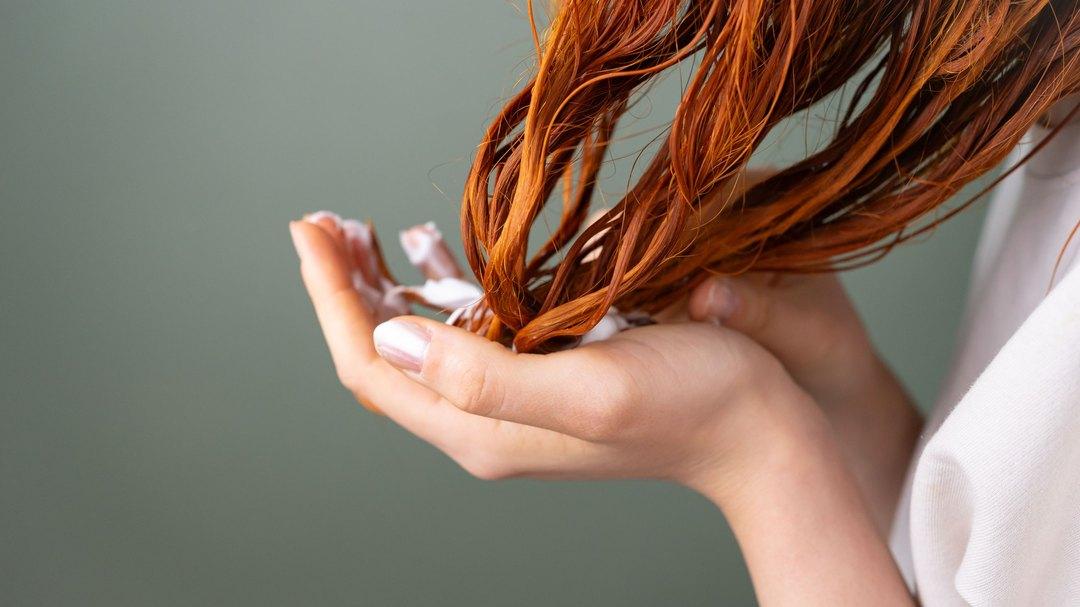
Before an iron, start with hair that's already dry. Mist one section at a time from a short distance and comb it through. The section should feel evenly coated with no dark, wet-looking patches. With a cream, a small amount rubbed between your palms and smoothed over each section is enough.
A spray puts water back on your hair. Give it a few minutes, then touch a section before you pick up the iron, and if it feels cool or damp, wait longer.
Then test one small section at the back of your head before you start on the rest. Clamp the iron, slide it down slowly and listen. A hiss or a puff of steam means there's still water in the hair, or in product that hasn't dried. Stop and let that section dry first. When the iron glides through quietly, work through the rest of your head the same way, one section and one slow pass at a time.
If you air-dry and never pick up a hot tool, you can skip heat protectant altogether.
Questions people ask
What is the best heat protectant for hair?
The one you'll use every time you heat your hair. Look for silicones such as dimethicone, or film-forming polymers, near the top of the ingredient list. If a spray leaves thick or curly hair feeling dry and hard to comb through, a cream or lotion spreads more easily.
Do you put heat protectant on wet or dry hair?
Either, depending on the tool. It goes on damp hair before a blow dryer and on dry hair before an iron. In both cases, the hair needs to be fully dry by the time an iron touches it.
Do you need heat protectant for blow-drying?
It helps, especially if you blow-dry most days. A dryer heats your hair too, and the same film that spreads an iron's heat works under hot air. Keep the dryer on a lower setting and keep it moving.
Sources
- Gavazzoni Dias MFR. Hair cosmetics: an overview. International Journal of Trichology, 2015.
- Zhou Y, Rigoletto R, Koelmel D, et al. The effect of various cosmetic pretreatments on protecting hair from thermal damage by hot flat ironing. Journal of Cosmetic Science, 2011.
- Wu D, Wu L, Xu J. Bubble hair deformity induced by bathroom heating lamp: a report of two cases. Journal of Cosmetic Dermatology, 2025.
- American Academy of Dermatology. 10 hair care habits that can damage your hair.